Steam Engine Model Building Kit: Complete Construction Guide
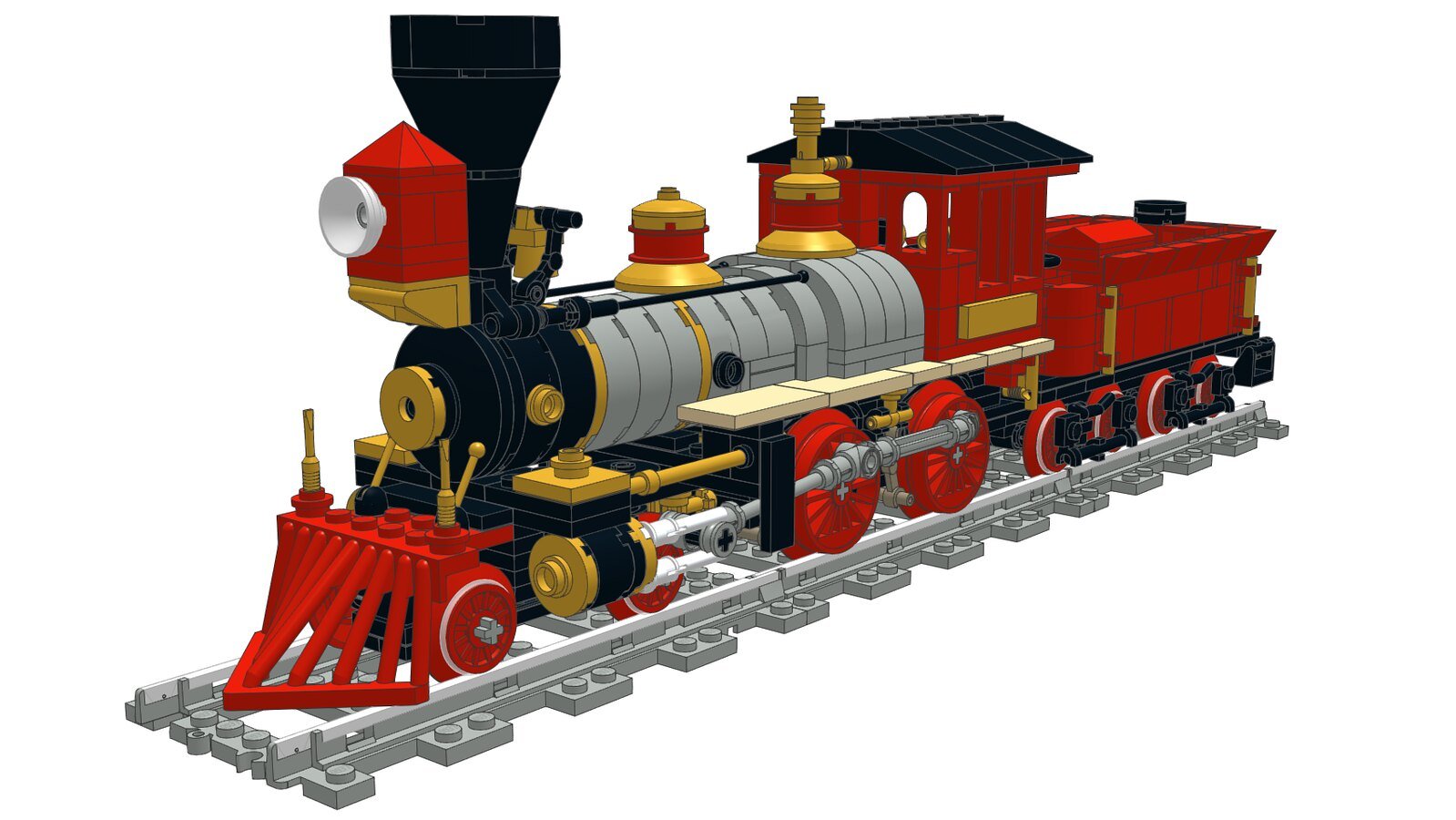
Classic Steam Locomotive Building Set
Complete metal construction set featuring authentic steam locomotive design with working pistons, drive wheels, and detailed boiler assembly. Includes over 200 precision-engineered parts for realistic steam engine modeling.
Key Features:
- 200+ precision metal parts
- Working piston mechanism
- Authentic drive wheel system
- Detailed boiler construction
- Step-by-step instruction manual
- Compatible with standard building sets
- Realistic steam locomotive design
- Durable steel construction
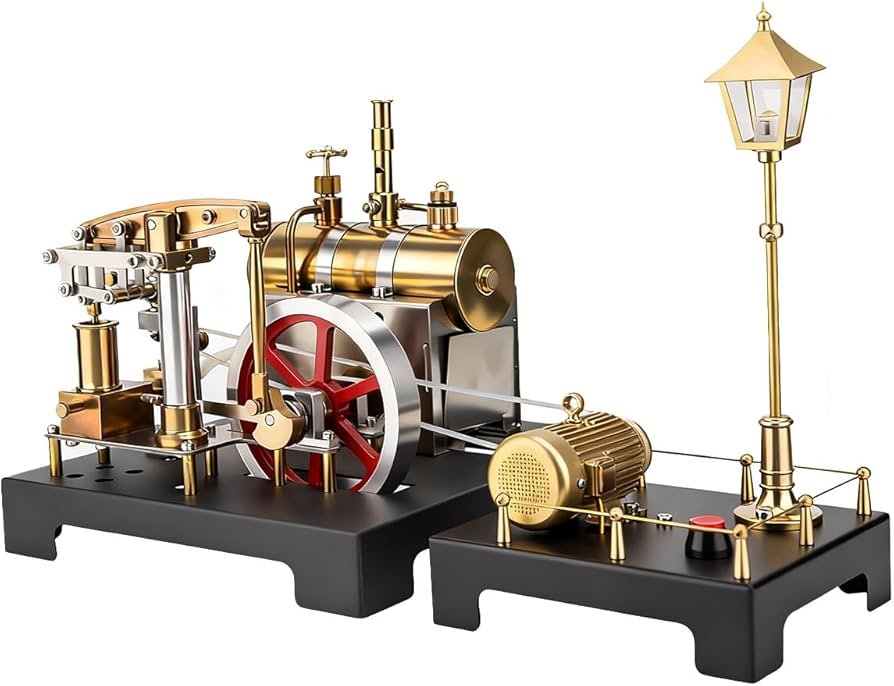
Stationary Steam Engine Construction Kit
Build a functional stationary steam engine with flywheel, governor, and base assembly. This comprehensive kit provides hands-on engineering experience with authentic steam power mechanisms and detailed construction components.
Key Features:
- Working flywheel assembly
- Governor speed control
- Sturdy base platform
- Authentic steam cylinder
- Precision bearing system
- Educational instruction guide
- Real engineering principles
- Quality metal components
Understanding Erector Set Steam Engine Construction
The erector set steam engine represents one of the most sophisticated and educational building experiences available in metal construction sets. These intricate models combine authentic engineering principles with hands-on construction, allowing builders to create functional steam-powered mechanisms that demonstrate real-world industrial concepts.
Building an erector set steam engine provides invaluable insight into the mechanical systems that powered the Industrial Revolution. Each component serves a specific purpose in the overall mechanism, from the boiler assembly to the drive wheels and connecting rods.
Essential Components of Steam Engine Models
Every erector set steam engine includes fundamental components that mirror actual steam locomotives and stationary engines. The boiler assembly forms the heart of the system, while the cylinder and piston mechanism converts steam pressure into mechanical motion.
The drive wheel system transmits power through connecting rods and crankshafts, creating the characteristic motion of steam-powered machinery. Understanding these relationships helps builders appreciate the engineering marvel of steam technology.
Historical Significance in Model Building
Steam engine models have been popular construction projects since the early days of metal building sets. The erector set steam engine tradition began in the 1910s when real steam locomotives dominated transportation and industry.
These models served as educational tools, helping young engineers understand the principles of steam power, mechanical advantage, and precision manufacturing that defined the steam age.
Building Techniques for Steam Engine Models
Successful erector set steam engine construction requires patience, precision, and understanding of mechanical principles. The building process typically begins with the base assembly, establishing a solid foundation for all moving components.
Proper alignment of the cylinder, piston, and connecting rod assembly is crucial for smooth operation. Each joint must be secure yet allow for the mechanical movement that brings the steam engine to life.
Assembly Sequence and Best Practices
Start your erector set steam engine build by organizing all components according to the instruction manual. The base frame provides structural integrity and must be assembled with careful attention to square angles and proper bolt tension.
The boiler assembly comes next, followed by the cylinder and piston mechanism. Take time to ensure all moving parts operate smoothly before proceeding to the final drive system assembly.
Working with Drive Wheels and Connecting Rods
The drive wheel assembly represents the most visible and dynamic aspect of any erector set steam engine. Proper spacing and alignment of the wheels ensures realistic operation and prevents binding during movement.
Connecting rods must be adjusted to the correct length and angle to provide smooth power transmission from the piston to the drive wheels. This relationship demonstrates the fundamental principles of reciprocating steam engines.
Advanced Features and Modifications
Experienced builders can enhance their erector set steam engine with additional features and custom modifications. Adding a working governor mechanism demonstrates automatic speed control systems used in real steam engines.
The governor assembly uses centrifugal force to regulate engine speed, providing an excellent example of mechanical feedback systems. This addition transforms a basic model into a sophisticated demonstration of steam engine technology.
Custom Boiler and Firebox Details
Advanced erector set steam engine builders often add detailed boiler components including fireboxes, steam domes, and safety valves. These additions increase realism while teaching about steam generation and pressure management.
Decorative elements such as headlights, bells, and nameplate details can transform a functional model into a museum-quality display piece that showcases both engineering skill and artistic attention to detail.
Electrical Integration Possibilities
Some builders incorporate electrical components into their erector set steam engine projects. LED lights can simulate the glow of a firebox, while small motors can provide actual movement for demonstration purposes.
Electrical integration requires careful planning to maintain the authentic appearance while adding modern functionality that enhances the educational value of the completed model.
Educational Value and STEM Learning
Building an erector set steam engine provides exceptional STEM education opportunities across multiple disciplines. The mechanical engineering aspects teach gear ratios, leverage, and power transmission principles that apply to modern machinery.
Physics concepts including pressure, force, and motion become tangible through hands-on construction and operation of steam engine mechanisms. Students gain practical understanding of thermodynamics and energy conversion.
Engineering Principles in Action
Each erector set steam engine demonstrates fundamental engineering concepts including structural design, mechanical advantage, and precision manufacturing. Builders learn to read technical drawings and follow complex assembly sequences.
Problem-solving skills develop naturally as builders troubleshoot alignment issues, adjust clearances, and optimize performance. These experiences mirror real-world engineering challenges and solutions.
Historical and Cultural Education
Steam engine models connect builders with industrial history and the technological developments that shaped modern civilization. Understanding steam power provides context for studying the Industrial Revolution and transportation evolution.
The craftsmanship required to build an erector set steam engine mirrors the skilled trades that built and maintained real steam locomotives and stationary engines throughout the steam age.
Maintenance and Display Considerations
Proper maintenance ensures your erector set steam engine remains in excellent condition for years of enjoyment and education. Regular cleaning with appropriate metal polish maintains the appearance while preventing corrosion.
Moving parts require periodic lubrication with light machine oil to ensure smooth operation. Check all connections regularly and retighten bolts as needed to maintain structural integrity.
Storage and Preservation Tips
Store your completed erector set steam engine in a dry environment away from moisture and temperature extremes. Display cases protect against dust while allowing full visibility of the intricate mechanical details.
Document your build process with photographs and notes for future reference. This record proves valuable when making modifications or helping others with similar projects.
Sharing Your Steam Engine Project
Completed erector set steam engine models make excellent display pieces for schools, libraries, and maker spaces. These projects demonstrate the intersection of education, engineering, and craftsmanship.
Consider joining building clubs or online communities where enthusiasts share techniques, modifications, and inspiration for steam engine construction projects.
Frequently Asked Questions
Master the Art of Steam Engine Construction
Building an erector set steam engine represents one of the most rewarding and educational experiences in metal construction modeling. These sophisticated projects combine historical significance with hands-on engineering education, creating lasting value that extends far beyond the building process itself.
The skills developed through erector set steam engine construction apply directly to modern engineering and manufacturing disciplines. Understanding mechanical principles, precision assembly, and troubleshooting techniques provides a solid foundation for STEM education and career development.
Whether you’re building your first steam engine model or adding to an extensive collection, each project offers unique challenges and learning opportunities. The satisfaction of completing a functional erector set steam engine that demonstrates real engineering principles creates memories and knowledge that last a lifetime.
Start your steam engine building journey today and discover the fascinating intersection of history, engineering, and craftsmanship that makes these projects truly special. The combination of educational value, mechanical sophistication, and lasting durability ensures that your erector set steam engine will provide enjoyment and learning for generations to come.