Conveyor Belt Model Building Sets for Engineering Education
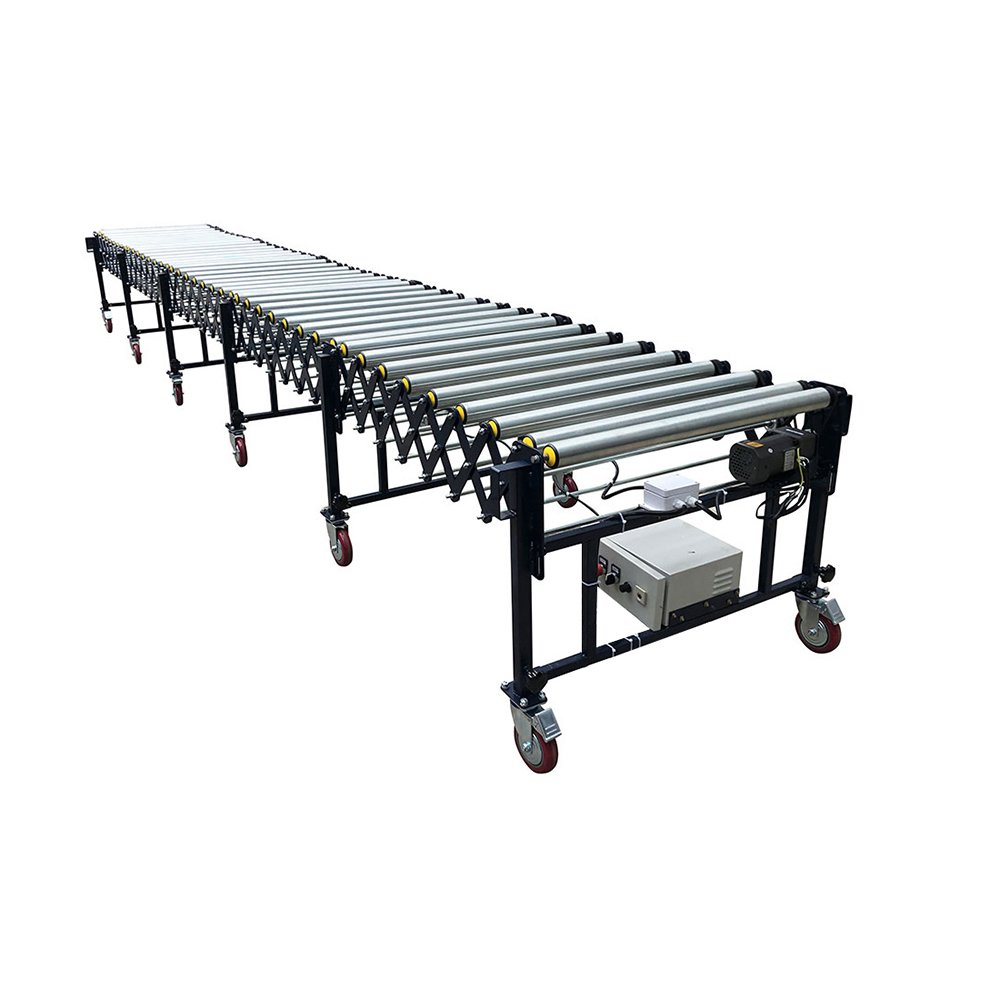
Motorized Conveyor Belt Construction Set
Complete engineering kit featuring motorized components, steel girders, and mechanical parts to build fully functional conveyor systems. Includes detailed instruction manual and multiple building configurations for advanced mechanical learning.
Key Features:
- Battery-powered motor system
- Durable steel construction beams
- Adjustable belt speed control
- Multiple conveyor configurations
- Real working mechanical parts
- Comprehensive instruction guide
- STEM education focused design
- Compatible with expansion sets
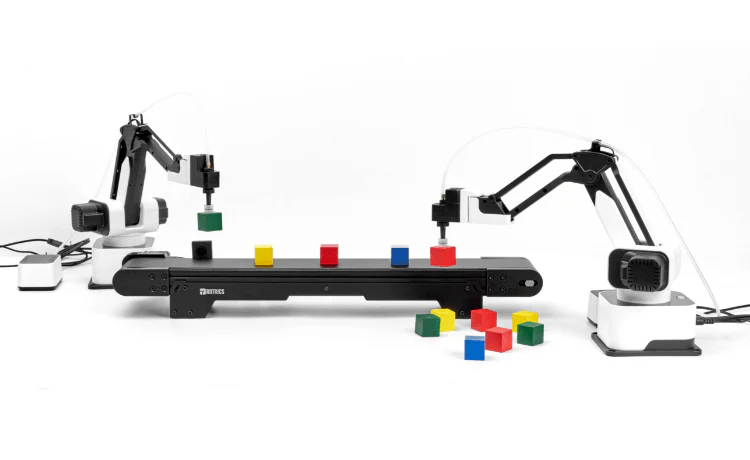
Industrial Conveyor System Building Kit
Professional-grade construction set designed to replicate real industrial conveyor systems. Features heavy-duty components, multiple belt sections, and authentic mechanical engineering principles for serious builders and educators.
Key Features:
- Heavy-duty metal framework
- Multi-section belt system
- Industrial-style roller mechanisms
- Professional engineering design
- Advanced mechanical components
- Educational project guide
- Expandable modular system
- Authentic conveyor operation
Understanding Erector Set Conveyor Systems
The erector set conveyor represents one of the most fascinating mechanical engineering projects available to builders and educators. These sophisticated construction sets combine the classic appeal of metal building systems with modern mechanical engineering principles.
Builders can create fully functional conveyor belt systems that demonstrate real-world industrial processes. The erector set conveyor teaches fundamental concepts of mechanical engineering, including belt tension, motor control, and structural design.
Educational Value of Mechanical Construction
Every erector set conveyor project provides hands-on learning opportunities that textbooks simply cannot match. Students develop spatial reasoning skills while understanding how mechanical systems transfer power and motion.
The construction process itself teaches problem-solving and critical thinking skills. Builders must consider load distribution, motor placement, and belt alignment when creating their erector set conveyor systems.
Essential Components for Building Conveyor Systems
A quality erector set conveyor includes several critical mechanical components that work together to create smooth operation. The motor serves as the power source, typically featuring variable speed control for different operational requirements.
Steel girders form the structural backbone of every erector set conveyor project. These precision-engineered beams provide the strength and stability necessary for supporting moving mechanical systems.
Motor and Drive Systems
The motorization system distinguishes advanced erector set conveyor models from basic construction sets. Electric motors provide consistent power delivery and allow builders to experiment with different speed configurations.
Belt tensioning mechanisms ensure smooth operation and prevent slippage during operation. Proper tension adjustment is crucial for maintaining efficient power transfer in any erector set conveyor system.
Structural Framework Design
Framework construction requires careful attention to load distribution and structural integrity. The erector set conveyor frame must support both static loads and dynamic forces created by moving components.
Connection points between structural elements must be secure and properly aligned. Misaligned components can cause excessive wear and reduce the operational lifespan of the erector set conveyor system.
Construction Techniques and Best Practices
Building an effective erector set conveyor requires systematic planning and attention to mechanical principles. Start by creating detailed plans that show component placement and structural connections.
Foundation stability is crucial for any erector set conveyor project. Ensure the base structure is level and properly secured before adding moving components and motorization systems.
Assembly Sequence Planning
Proper assembly sequence prevents construction difficulties and ensures optimal performance. Begin with the main structural framework before adding drive components to your erector set conveyor.
Test fit all components before final assembly to identify potential alignment issues. This preliminary check saves time and prevents frustration during the final construction phases.
Alignment and Calibration
Belt alignment directly affects the performance and longevity of your erector set conveyor system. Misaligned belts create excessive friction and can damage both the belt and drive mechanisms.
Regular calibration checks ensure consistent operation and help identify potential mechanical issues before they cause system failures. Document optimal settings for future reference and troubleshooting.
Educational Applications in STEM Learning
The erector set conveyor serves as an excellent introduction to mechanical engineering principles for students of all ages. These hands-on projects demonstrate abstract concepts through practical application and experimentation.
Teachers can incorporate erector set conveyor projects into physics lessons covering force, motion, and energy transfer. Students gain deeper understanding by building and operating actual mechanical systems.
Classroom Project Ideas
Classroom applications for erector set conveyor systems include efficiency studies, load testing, and speed optimization experiments. Students can modify designs and measure performance improvements.
Group projects using erector set conveyor components encourage teamwork and collaborative problem-solving. Different teams can build competing designs and compare operational characteristics.
Skills Development Through Construction
Building an erector set conveyor develops multiple skill sets simultaneously, including spatial reasoning, mechanical aptitude, and analytical thinking. These transferable skills benefit students across multiple academic disciplines.
Troubleshooting mechanical issues teaches systematic problem-solving approaches that apply to many real-world situations. Students learn to identify symptoms, analyze causes, and implement effective solutions.
Advanced Features and Customization Options
Modern erector set conveyor systems offer numerous customization options that allow builders to create unique mechanical solutions. Variable speed controls enable experimentation with different operational parameters.
Modular expansion capabilities let builders create complex multi-section conveyor systems. These expanded configurations demonstrate how industrial facilities connect multiple conveyor lines for efficient material handling.
Motorization and Control Systems
Advanced erector set conveyor models feature sophisticated motor control systems that simulate industrial automation. Remote control capabilities add another layer of operational complexity and learning opportunity.
Sensor integration possibilities allow builders to create automated systems that respond to material presence or other operational conditions. These features bridge the gap between basic construction and advanced robotics.
Expansion and Integration
Compatibility with other construction sets expands the possibilities for complex erector set conveyor installations. Builders can integrate conveyor systems with cranes, elevators, and other mechanical devices.
Scalability options allow projects to grow over time as builders develop more advanced skills and understanding. Start with simple configurations and gradually add complexity and functionality to your erector set conveyor system.
Frequently Asked Questions
Building Tomorrow’s Engineers Today
The erector set conveyor represents far more than just another construction toy – it serves as a gateway to understanding mechanical engineering and industrial processes. Through hands-on building and experimentation, users develop critical thinking skills and mechanical aptitude that serves them throughout their educational journey and beyond.
Whether used in classroom settings or home workshops, erector set conveyor projects provide engaging learning experiences that combine education with entertainment. The satisfaction of building a functioning mechanical system creates lasting memories and often sparks lifelong interests in engineering and technology.
Modern erector set conveyor systems offer sophisticated features and expansion possibilities that grow with the builder’s skills and interests. From simple belt mechanisms to complex automated systems, these construction sets provide years of challenging and rewarding building experiences.
Investing in quality erector set conveyor components means investing in hands-on STEM education that develops practical skills and theoretical understanding simultaneously. These mechanical marvels continue to inspire new generations of builders, inventors, and engineers who will shape our technological future.