
Build Programmable Robots: Complete Guide to Erector Set Robot Construction
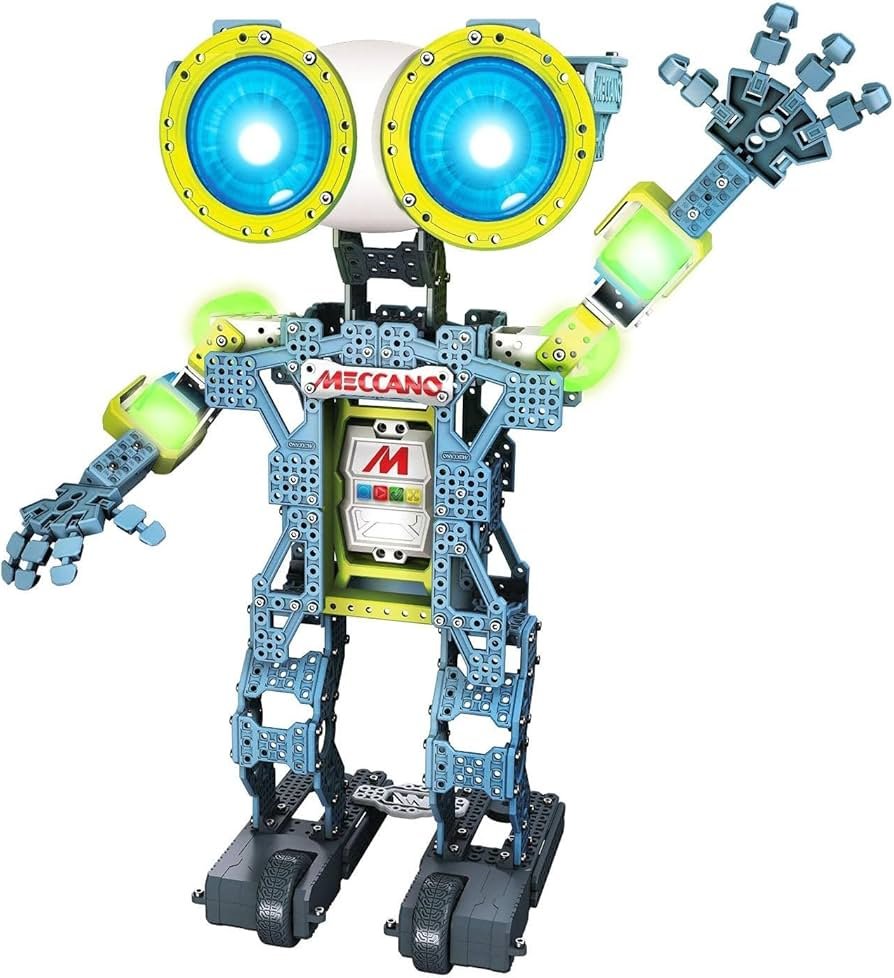
Erector Set Meccanoid G15 Personal Robot
Advanced programmable robot kit featuring 1164 parts for building a 4-foot tall interactive robot. Includes voice recognition, speech synthesis, and smartphone app control for comprehensive STEM learning experiences.
Key Features:
- 1164 precision metal parts
- 4-foot tall completed build
- Voice recognition technology
- Speech synthesis capability
- Smartphone app programming
- LED eye display
- Servo motor movements
- Interactive conversation mode
Erector Set Micronoid Red Socket Robot
Compact programmable robot kit perfect for beginners. Features app-controlled programming, customizable movements, and battle-ready design for interactive robot competitions and learning fundamental robotics concepts.
Key Features:
- Smartphone app control
- Customizable movement patterns
- Battle mode functionality
- LED light indicators
- Sound effects system
- Rechargeable battery
- Modular construction design
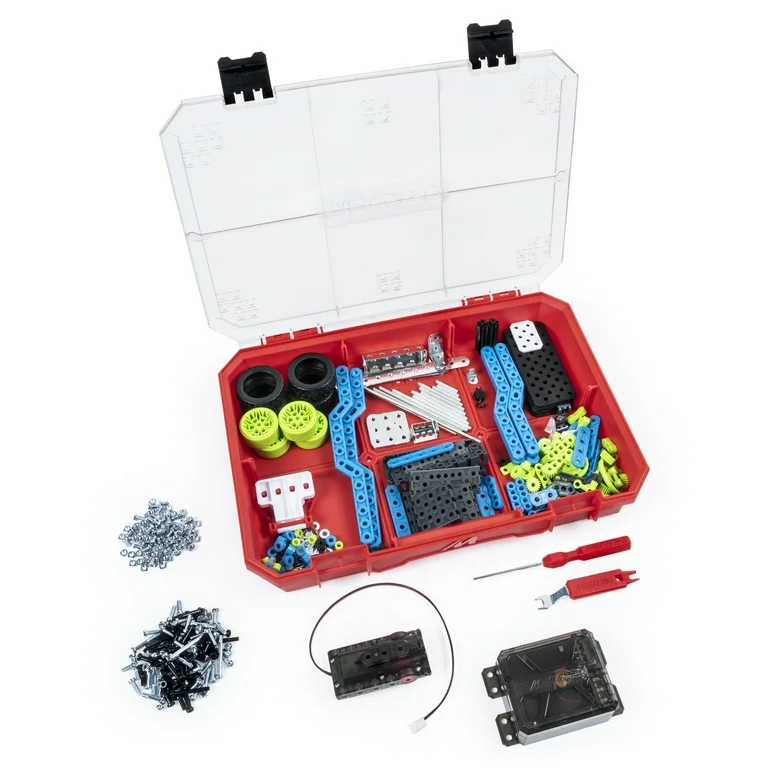
Erector Set Evolution Advanced Machines Set
Versatile robotics construction set enabling multiple programmable robot builds. Includes motors, sensors, and programmable control unit for creating custom robotic solutions and advanced engineering projects.
Key Features:
- Multiple robot configurations
- Programmable control module
- Precision servo motors
- Touch and light sensors
- Remote control capability
- Sound and music programming
- Advanced gear systems
- Modular component design
Getting Started with Erector Set Robot Construction
Building an erector set robot opens doors to hands-on engineering and programming education. These sophisticated construction kits combine traditional metal building elements with modern robotics technology, creating an ideal platform for STEM learning.
The beauty of an erector set robot lies in its dual nature – part construction challenge, part programming adventure. Unlike simple building blocks, these kits require understanding of mechanical principles, electrical connections, and basic programming concepts.
Essential Components Every Erector Set Robot Needs
Every erector set robot begins with fundamental components that work together to create movement and intelligence. The structural framework consists of precision-cut metal beams, plates, and brackets that form the robot’s skeleton.
Motors serve as the muscles of your erector set robot, providing the power needed for movement. Modern kits include servo motors that offer precise control over rotation and positioning, essential for complex robotic behaviors.
Sensors act as the robot’s sensory system, allowing it to interact with its environment. Touch sensors, light sensors, and sound sensors enable your erector set robot to respond to external stimuli and make decisions based on programmed logic.
Programming Interface and Control Systems
Modern erector set robot kits feature user-friendly programming interfaces accessible through smartphone apps or computer software. These platforms use visual programming languages that make coding accessible to builders of all experience levels.
The programming environment typically includes drag-and-drop commands for movement, sensor responses, and behavioral patterns. This approach allows builders to focus on logic and creativity rather than complex syntax, making erector set robot programming an enjoyable learning experience.
Advanced Programming Techniques for Erector Set Robot Projects
Mastering advanced programming techniques transforms a basic erector set robot into a sophisticated autonomous machine. These techniques include sensor integration, decision-making algorithms, and complex movement patterns that showcase true robotics engineering.
Sensor Integration and Environmental Awareness
Advanced erector set robot programming involves creating responsive behaviors based on sensor input. Light sensors can make your robot seek bright areas or avoid obstacles, while touch sensors enable collision detection and response protocols.
Combining multiple sensors creates more intelligent behavior patterns. An erector set robot equipped with both light and touch sensors can navigate complex environments while responding to changing conditions autonomously.
Creating Complex Movement Sequences
Professional-level erector set robot programming includes choreographed movement sequences that demonstrate precision control. These sequences can include walking patterns, arm movements, and coordinated actions that showcase the robot’s capabilities.
Loop structures and conditional statements allow your erector set robot to repeat behaviors, make decisions, and adapt to different situations. This programming foundation enables creation of robots that can perform tasks, play games, or interact with users intelligently.
Mechanical Engineering Principles in Erector Set Robot Design
Understanding mechanical engineering principles elevates erector set robot construction from simple assembly to sophisticated engineering practice. These principles govern how forces transfer through the structure and how mechanical advantage amplifies motor power.
Gear Systems and Power Transmission
Gear systems in an erector set robot provide mechanical advantage, allowing small motors to generate significant force or achieve precise movements. Understanding gear ratios helps builders optimize their robot’s performance for specific tasks.
Worm gears, spur gears, and planetary gear systems each offer unique advantages in erector set robot construction. Selecting the appropriate gear system depends on whether the application requires speed, torque, or precision positioning.
Structural Integrity and Load Distribution
Proper structural design ensures your erector set robot can withstand operational stresses while maintaining accurate movement. Strategic bracing and triangular support structures prevent flexing that could affect performance.
Load distribution becomes critical in larger erector set robot builds where weight and dynamic forces create significant stresses. Understanding these principles helps builders create robots that are both functional and durable.
Joint Design and Movement Mechanics
Joint design directly impacts an erector set robot’s movement capabilities and overall functionality. Ball joints provide multi-axis rotation, while hinge joints offer controlled single-axis movement perfect for specific applications.
Friction management in joints ensures smooth operation and extends the lifespan of moving components. Proper lubrication and bearing selection contribute to professional-quality erector set robot performance.
Creative Project Ideas for Erector Set Robot Builders
Creative projects showcase the versatility of erector set robot construction while developing problem-solving skills and engineering creativity. These projects range from simple interactive robots to complex autonomous systems that demonstrate advanced capabilities.
Interactive Entertainment Robots
Building an interactive entertainment erector set robot creates opportunities to explore user interface design and responsive programming. These robots can play games, tell jokes, or engage in conversations using voice recognition and synthesis technologies.
Pet robots represent popular erector set robot projects that combine mechanical engineering with behavioral programming. These robots can follow users, respond to commands, and exhibit lifelike behaviors that demonstrate sophisticated programming techniques.
Functional Task-Oriented Robots
Task-oriented erector set robot projects focus on solving real-world problems through mechanical solutions. Drawing robots, sorting machines, and alarm systems showcase how robotics engineering applies to practical applications.
These functional projects require careful analysis of requirements, systematic design processes, and iterative testing – valuable skills that translate to professional engineering practice. Each project presents unique challenges that develop different aspects of robotics knowledge.
Competition and Battle Robots
Competitive robotics projects add excitement to erector set robot building while teaching strategic thinking and optimization techniques. Battle robots require robust construction, intelligent programming, and creative tactical approaches.
Designing for competition involves balancing offensive capabilities, defensive features, and reliability under stress. These constraints push builders to optimize their erector set robot designs for performance while maintaining structural integrity.
Troubleshooting Common Erector Set Robot Issues
Troubleshooting skills are essential for successful erector set robot construction and operation. Common issues include mechanical problems, electrical connections, and programming errors that can prevent proper robot function.
Mechanical System Diagnostics
Mechanical issues in an erector set robot typically involve loose connections, misaligned components, or inadequate structural support. Systematic inspection of joints, fasteners, and moving parts usually identifies the source of mechanical problems.
Binding or sticking movements often result from misaligned components or inadequate clearances between moving parts. Careful adjustment of component positions and ensuring proper clearances resolves most mechanical movement issues in erector set robot builds.
Electrical and Programming Troubleshooting
Electrical problems in erector set robot systems usually involve loose connections, depleted batteries, or incorrect wiring. Visual inspection of all electrical connections and systematic testing of components helps isolate electrical issues.
Programming errors can cause unexpected behaviors or complete system failures. Step-by-step program review, testing individual commands, and using debugging features helps identify and correct programming issues in erector set robot projects.
Performance Optimization Techniques
Optimizing erector set robot performance involves fine-tuning mechanical systems, refining programming logic, and balancing power consumption with functionality. These optimization techniques improve reliability and extend operational time.
Regular maintenance procedures ensure continued optimal performance of erector set robot systems. Proper storage, periodic cleaning, and component inspection prevent many common problems and extend the lifespan of robot components.
Educational Benefits and STEM Learning Through Erector Set Robotics
Erector set robot construction provides comprehensive STEM education that combines theoretical knowledge with hands-on application. This integrated approach develops critical thinking, problem-solving skills, and technical competency essential for modern engineering careers.
Engineering Design Process Application
Building an erector set robot naturally incorporates the engineering design process from initial concept through testing and refinement. Students learn to define problems, brainstorm solutions, prototype designs, and iterate based on testing results.
This systematic approach to problem-solving extends beyond robotics applications, providing a framework for addressing complex challenges in any technical field. The hands-on nature of erector set robot construction makes abstract engineering concepts tangible and understandable.
Programming and Computational Thinking
Erector set robot programming develops computational thinking skills including pattern recognition, abstraction, and algorithmic design. These fundamental skills apply to all areas of computer science and technology.
The visual programming interfaces used in modern erector set robot kits make coding concepts accessible while building foundation skills that transfer to text-based programming languages. This progression path supports continued learning in computer science fields.
Cross-Disciplinary Learning Opportunities
Robotics projects naturally integrate multiple STEM disciplines, demonstrating how science, technology, engineering, and mathematics work together in real applications. An erector set robot project might involve physics principles, mathematical calculations, engineering design, and technology implementation.
This integrated approach helps students understand connections between different technical subjects while developing practical skills that apply to various career paths in STEM fields.
Frequently Asked Questions
Building Your Future with Erector Set Robot Engineering
Erector set robot construction represents the perfect intersection of traditional engineering principles and modern technology education. These comprehensive kits provide hands-on learning experiences that develop technical skills, creative problem-solving abilities, and programming competency essential for success in STEM fields.
The journey from opening an erector set robot kit to programming a fully functional robot teaches valuable lessons about persistence, attention to detail, and systematic thinking. Each challenge encountered during construction and programming develops resilience and technical troubleshooting skills that apply far beyond robotics projects.
Whether pursuing robotics as a hobby or preparing for engineering careers, erector set robot projects provide foundation experiences that build confidence and competency. The combination of mechanical construction, electrical systems, and programming creates comprehensive learning opportunities that few other educational tools can match.
Start your robotics journey today with an erector set robot kit appropriate for your skill level and interests. The skills, knowledge, and inspiration gained through these projects will serve as stepping stones to advanced engineering studies and exciting career opportunities in technology fields.