Train & Locomotive Models: Build Authentic Railway Systems
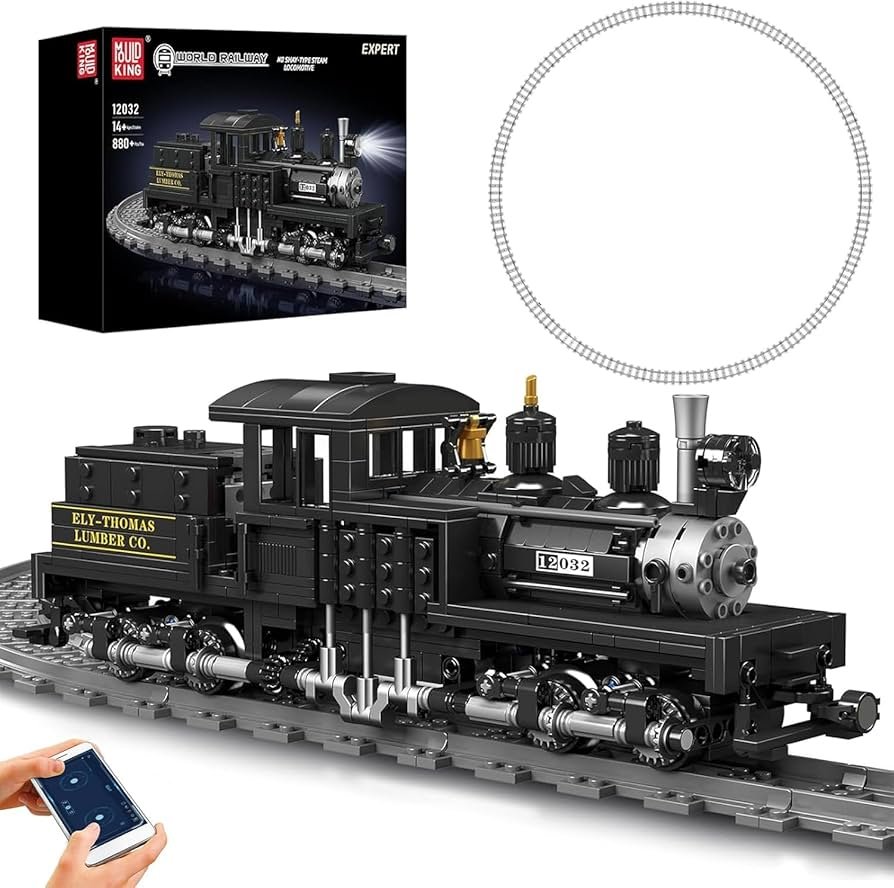
Steam Locomotive Builder Set
Classic steam engine model featuring authentic boiler design, drive wheels, and passenger cars. Includes over 400 precision-engineered metal pieces for creating detailed locomotive systems with realistic proportions and functional moving parts.
Key Features:
- 400+ precision metal pieces
- Authentic steam engine design
- Working drive wheel mechanism
- Detailed boiler and cab construction
- Compatible passenger car connections
- Realistic scale proportions
- Durable steel construction
- Step-by-step instruction manual
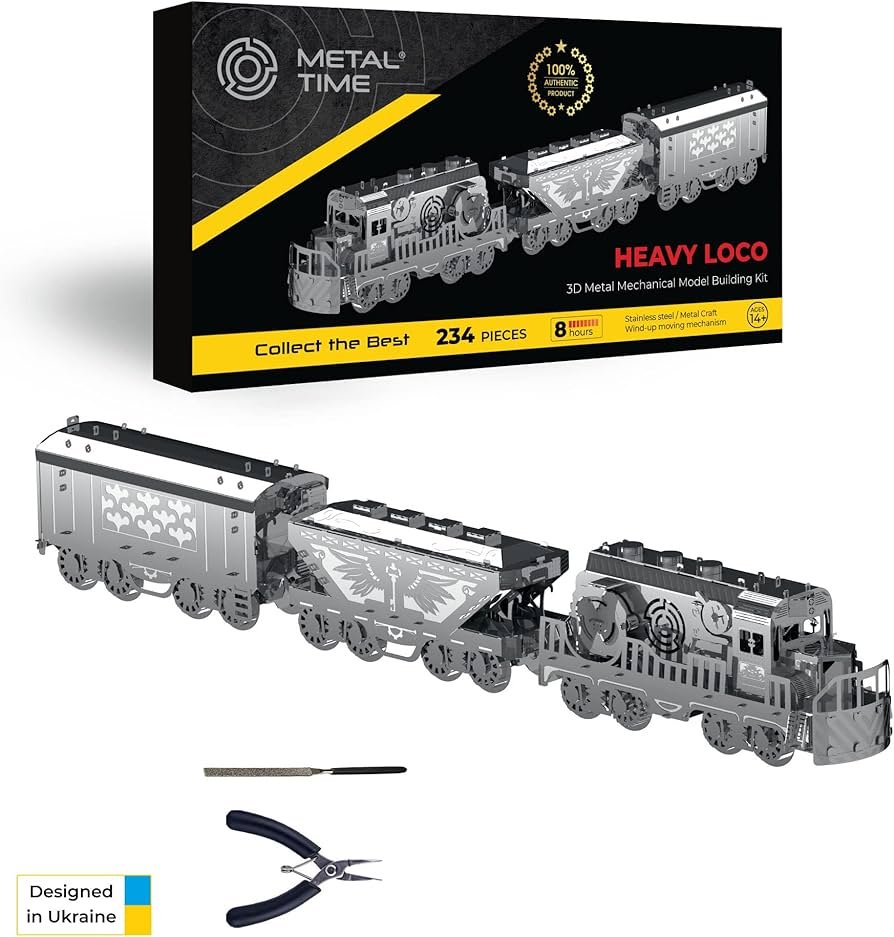
Freight Train Construction Kit
Complete freight railway system with diesel locomotive and multiple cargo cars. Features interchangeable car designs, realistic couplers, and modular track sections for building extensive rail networks with authentic industrial styling.
Key Features:
- Diesel locomotive with cargo cars
- Modular track system included
- Realistic coupler mechanisms
- Multiple freight car configurations
- Interchangeable cargo loads
- Industrial styling details
- Expandable track layouts
- Heavy-duty metal construction
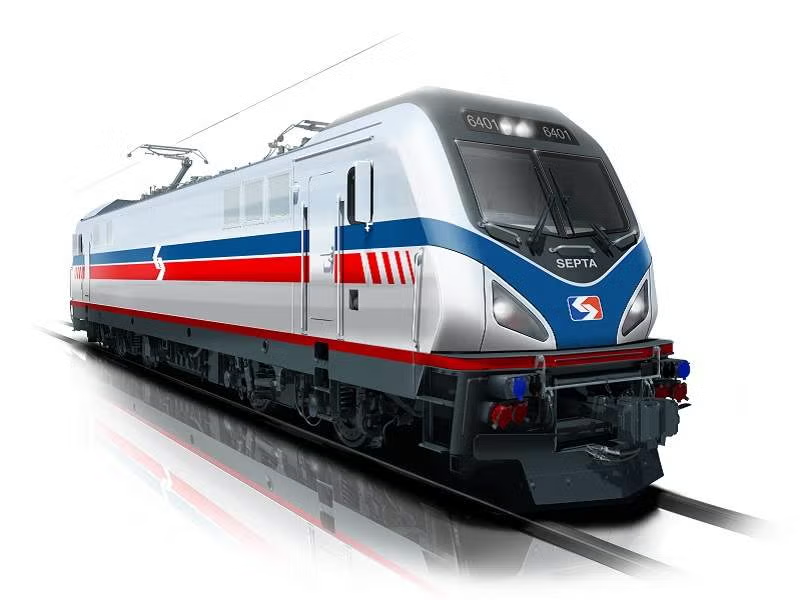
Electric Railway System
Modern electric train model with sleek passenger cars and overhead power systems. Includes pantograph details, streamlined design elements, and multiple car configurations for creating contemporary high-speed rail networks.
Key Features:
- Modern electric locomotive design
- Detailed pantograph systems
- Streamlined passenger cars
- Overhead power line components
- High-speed rail styling
- Multiple car configurations
- Contemporary design elements
- Precision engineering standards
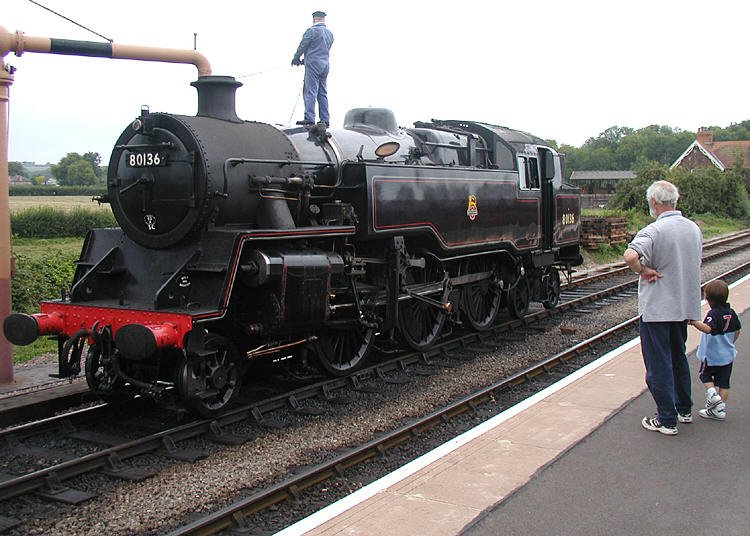
Heritage Railway Collection
Vintage-inspired locomotive models featuring classic American railroad designs. Includes multiple era-specific engines, period-accurate details, and traditional railway accessories for building authentic historical train systems with museum-quality craftsmanship.
Key Features:
- Multiple vintage locomotive designs
- Period-accurate historical details
- Traditional railway accessories
- Museum-quality craftsmanship
- Era-specific styling elements
- Classic American railroad themes
- Authentic color schemes
- Collector-grade construction
Building Authentic Railway Systems with Metal Construction Sets
Model railway enthusiasts have long appreciated the precision and durability of metal construction systems for creating detailed locomotive models. An erector set train offers unparalleled authenticity compared to plastic alternatives, featuring genuine steel components that mirror real railway construction methods.
The realistic weight and feel of metal pieces enhance the building experience, while the precision-engineered connections ensure stable, long-lasting models. Each erector set train component is designed to exact specifications, allowing builders to create locomotives that capture the essence of their full-size counterparts.
Engineering Precision in Every Component
Metal construction sets utilize the same fundamental engineering principles found in actual railway systems. The girder-based framework, bolt connections, and structural elements of an erector set train directly parallel real locomotive construction techniques.
This engineering authenticity extends beyond mere appearance to functional mechanisms. Drive wheels, connecting rods, and mechanical linkages operate just like their prototype counterparts, providing educational value alongside the satisfaction of building detailed railway models.
Scale Accuracy and Proportional Design
Professional erector set train models maintain consistent scale relationships between all components. Locomotive dimensions, wheel spacing, and car proportions follow established railway standards, resulting in visually accurate representations of real trains.
The attention to scale detail ensures that multiple locomotive models can operate together convincingly, whether building a single impressive engine or an entire fleet of diverse railway equipment for comprehensive transportation systems.
Steam, Diesel, and Electric Locomotive Varieties
Modern erector set train collections encompass the full spectrum of railway motive power, from classic steam locomotives to contemporary electric systems. Each propulsion type offers unique building challenges and distinctive visual characteristics that appeal to different modeling preferences.
Steam locomotive models feature the most complex mechanical details, including boilers, drive rods, and valve gear systems. These erector set train designs capture the golden age of railroading with authentic proportions and intricate engineering details.
Steam Engine Complexity and Detail
Classic steam locomotive construction involves hundreds of individual components working together to create recognizable railway icons. The boiler assembly, cab structure, and running gear of a steam erector set train require careful attention to assembly sequence and mechanical relationships.
Steam models often include tender cars for fuel and water, extending the overall locomotive consist and adding operational realism. The connecting rods and drive wheel mechanisms provide visual interest through their complex mechanical relationships.
Diesel and Modern Locomotive Designs
Diesel locomotive models emphasize streamlined industrial design and functional efficiency. These erector set train variations showcase mid-century transportation aesthetics with clean lines and powerful proportions that defined the transition from steam power.
Electric railway systems represent the cutting edge of transportation technology, featuring sleek passenger units and sophisticated overhead power systems. Modern erector set train designs incorporate contemporary styling elements while maintaining the structural integrity of metal construction.
Construction Techniques for Detailed Railway Models
Successfully building complex locomotive models requires understanding fundamental construction principles and systematic assembly approaches. Each erector set train project demands patience, precision, and attention to structural relationships between components.
Beginning with the basic frame structure ensures a solid foundation for adding detailed mechanical elements. The chassis assembly of any erector set train must be square and true before proceeding to body panels and mechanical details.
Frame and Chassis Assembly Methods
Proper chassis construction begins with accurate measurement and alignment of main structural girders. The foundation framework of an erector set train determines the final model’s proportions and stability, making this initial phase critically important.
Wheel assemblies and drive mechanisms attach directly to the chassis structure, requiring precise positioning for smooth operation. Careful attention to bearing alignment and mechanical clearances ensures that moving parts function correctly throughout the locomotive’s operational life.
Body Panel Integration and Detailing
Locomotive body construction involves layering panels and detail components over the established framework. Each erector set train design incorporates specific panel arrangements that create the distinctive silhouette of different locomotive types.
Detail elements such as headlights, handrails, and ventilation systems add visual interest while maintaining scale accuracy. These finishing touches transform basic structural frameworks into convincing representations of actual railway equipment.
Mechanical Systems and Moving Parts
Functional mechanical elements distinguish superior erector set train models from static display pieces. Working drive systems, articulated connecting rods, and moveable details create engaging interactive experiences for builders and observers alike.
Proper lubrication and adjustment of mechanical components ensure smooth operation and longevity. Regular maintenance of moving parts keeps erector set train models functioning optimally for years of enjoyment and demonstration.
Track Systems and Railway Infrastructure
Complete railway modeling extends beyond individual locomotives to include track systems and supporting infrastructure. An erector set train requires appropriate trackage for display and operational purposes, whether simple straight sections or complex junction layouts.
Track construction using metal components provides durability and electrical continuity for powered operations. The modular nature of quality track systems allows unlimited expansion possibilities as railway networks grow and evolve.
Modular Track Construction Principles
Professional track systems utilize standardized connections that ensure reliable joins between sections. Each piece maintains precise gauge measurements and smooth rail transitions that allow any erector set train to operate safely across extended layouts.
Elevation changes and curved sections add visual interest while presenting engineering challenges similar to prototype railway construction. Proper grade calculations and curve radii ensure that locomotive models can navigate complex trackage without difficulty.
Infrastructure Elements and Accessories
Railway infrastructure components such as signals, bridges, and station buildings complete the operational environment for any erector set train display. These structures provide context and scale reference while enhancing the overall visual impact of locomotive models.
Bridge construction particularly showcases the structural capabilities of metal building systems, with truss designs and cantilever spans that demonstrate engineering principles. These infrastructure projects often prove as engaging as the locomotive construction itself.
Advanced Modifications and Custom Designs
Experienced builders often modify standard designs or create entirely original locomotive concepts using erector set train components. This creative flexibility allows for unique models that reflect personal interests or prototype railways not available in standard sets.
Custom paint schemes and detail modifications can transform basic locomotive models into specific railroad prototypes. Many builders develop signature techniques for weathering and detailing their erector set train models to achieve museum-quality results.
Prototype Research and Scale Conversion
Creating accurate prototype models requires extensive research into specific locomotive dimensions and mechanical details. Converting real railway measurements to appropriate building scales ensures that custom erector set train projects maintain believable proportions.
Photographic references and technical drawings provide essential guidance for accurate detail placement and component relationships. This research phase often proves as rewarding as the actual construction process.
Creative Design Solutions
Innovative builders develop unique solutions for representing complex prototype features using available components. These creative approaches expand the possibilities for erector set train modeling while demonstrating advanced construction techniques.
Sharing modification techniques and custom designs with other enthusiasts creates a collaborative community focused on pushing the boundaries of what’s possible with metal construction systems.
Display and Operation Considerations
Completed locomotive models deserve appropriate display arrangements that showcase their construction quality and mechanical details. An erector set train represents significant investment in time and materials, warranting careful consideration of long-term preservation and presentation.
Operational displays allow visitors to appreciate the functional aspects of mechanical models, while static arrangements focus attention on construction details and scale accuracy. Both approaches offer advantages depending on available space and intended use.
Long-term Preservation Strategies
Metal construction provides excellent durability, but proper care ensures that erector set train models maintain their appearance and functionality over decades. Regular cleaning and lubrication prevent corrosion and mechanical wear.
Storage considerations become important for builders with multiple locomotive models or seasonal display requirements. Proper packaging and climate control protect finished models during transportation or extended storage periods.
Educational and Demonstration Value
Well-constructed locomotive models serve as excellent educational tools for demonstrating mechanical principles and railway history. An erector set train can illustrate concepts from basic mechanics to complex transportation systems engineering.
Public demonstrations and exhibitions provide opportunities to share the hobby with others while showcasing the capabilities of metal construction systems. These events often inspire new builders to explore the rewards of detailed railway modeling.
Frequently Asked Questions
Building Lasting Railway Memories
The art of constructing detailed locomotive models using metal building systems offers rewards that extend far beyond the immediate satisfaction of completion. Each erector set train project develops mechanical understanding, problem-solving skills, and appreciation for the engineering marvels that shaped transportation history.
The precision and durability of metal construction ensure that these models become lasting treasures, suitable for display, education, and sharing with future generations. The authentic weight, realistic proportions, and functional mechanical details create convincing representations of railway power that capture the romance and engineering excellence of the railroad era.
Whether building classic steam locomotives, modern diesel units, or sleek electric systems, these construction projects connect builders with the fundamental engineering principles that drive our transportation systems. The systematic assembly process teaches patience and precision while delivering tangible results that showcase both historical significance and mechanical beauty.
Investing in quality erector set train models provides years of building enjoyment followed by decades of display satisfaction, making these construction sets valuable additions to any collection of educational and recreational activities.